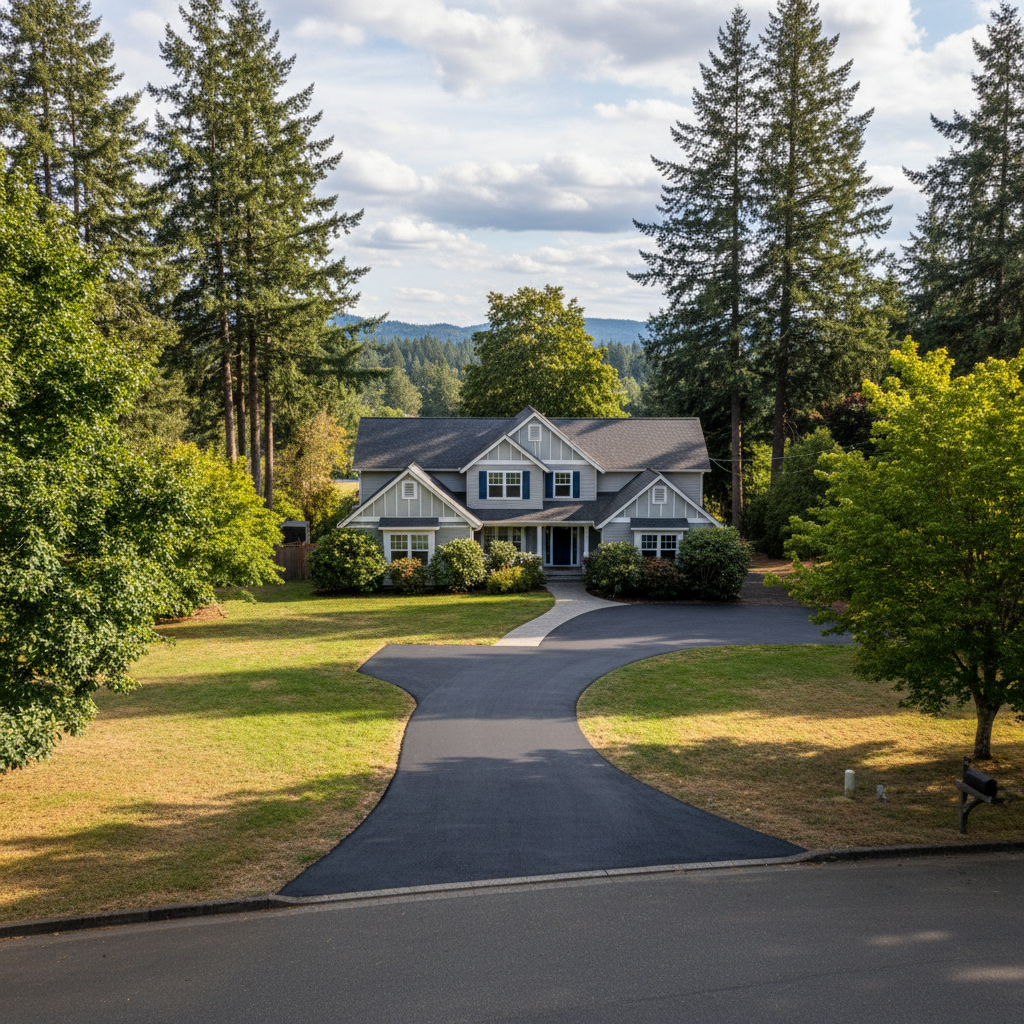
So, you're thinking about getting some asphalt paving done around your place here in Sutherlin. Maybe it's a new driveway, an expanded parking pad, or finally getting rid of that gravel mess. That's great! A well-paved surface doesn't just look good; it adds real value and convenience. But before you jump in, it's smart to have a plan. I've seen enough projects over the years to know that a little preparation goes a long way. Let's talk about what you should expect and how to get ready.
Understanding Your Project Timeline
One of the first things folks ask me is, "How long is this going to take?" And that's a fair question. The truth is, it's not always a quick, one-day job, especially for a quality installation. Here's a general breakdown of the timeline you can usually expect:
- Initial Contact & Estimate (1-2 weeks): You'll call a few contractors; they'll come out, measure, check out the site, and give you a bid. Good contractors are often busy, so don't expect them to show up tomorrow.
- Scheduling (2-4 weeks out, sometimes more): Once you pick a contractor, you'll get on their schedule. Depending on the time of year – summer and early fall are usually busiest – this could be a few weeks or even a month or two out. Weather plays a huge role here in Oregon, of course. We can't pave in heavy rain or when it's too cold, so schedules can shift.
- Permits (Varies, if needed): For residential driveways, permits aren't always required. But if your project involves significant grading, drainage changes, or connecting to a public road, you might need one from Douglas County or the City of Sutherlin. Your contractor should help you figure this out.
- Preparation & Paving (2-5 days): This is the active part. First, we'll do the excavation and grading. This is crucial for good drainage and a long-lasting surface, believe me. Then comes the base rock installation and compaction. Finally, the asphalt goes down. This isn't usually a single-day event for a decent-sized driveway.
- Curing (2-7 days): After paving, you can't drive on it right away. It needs time to cure and harden. We'll tell you specifically how long to wait for your project.
- Sealcoating (6-12 months later): While not part of the initial paving, I always tell people to plan on sealcoating their new asphalt about 6-12 months after installation. This protects your investment.
What to Expect During the Process
When the crew shows up, things are going to get busy. You'll see some heavy equipment – excavators, graders, rollers, dump trucks, and paving machines. It's going to be noisy, and there will be dust. That's just part of the job. We'll be moving a lot of dirt and rock, then laying down hot asphalt.
We'll work efficiently, but safety is always the top priority. We'll try to minimize disruption to your daily routine as much as possible. Access to your garage or house might be limited at certain times, especially on paving day and during the initial curing period. Just be prepared for that, and communicate any specific needs you have with the foreman on site.
How to Prepare Your Property
Getting your property ready before we start can make a big difference and help the project run smoothly:
- Clear the Area: Remove anything from the project site that you don't want damaged or in the way. This includes vehicles, boats, RVs, trash cans, planters, garden hoses, toys, and anything else movable.
- Mark Sprinklers & Utilities: If you have an irrigation system, underground dog fences, or any other buried lines near the work area, mark them clearly with flags. We definitely don't want to hit them.
- Trim Vegetation: Cut back any low-hanging branches or shrubs that might interfere with equipment access or movement.
- Secure Pets & Kids: For their safety, keep pets and children away from the work zone. Heavy machinery and hot asphalt aren't a good mix with curious minds or paws.
- Plan for Access: Think about how you'll get in and out of your house or property while the work is ongoing. You might need to park on the street for a few days.
- Communicate: If you have any specific concerns or requests, talk to your contractor or the crew leader before they start.
Key Questions to Ask Before Signing a Contract
Before you commit to any contractor, make sure you've got all your questions answered. This isn't just about the price; it's about peace of mind and making sure you get a quality job. Here's what I'd ask:
- Are you licensed and insured? This is non-negotiable. Ask for proof. You want to know they're legitimate and that you're protected if something goes wrong.
- What's your experience with projects like mine? A contractor who specializes in residential driveways knows the nuances better than someone who mostly does big commercial lots.
- Can I see references or examples of your work? A good contractor will be proud to show you what they've done. I'm always happy to point folks to Quantum Asphalt Solutions' past projects.
- What exactly is included in the quote? Get a detailed breakdown. Does it cover excavation, base rock, asphalt thickness, compaction, and cleanup? What about drainage? Are there any hidden fees?
- What kind of asphalt will you use? There are different mixes. Ask about the aggregate and binder for our specific climate here in Douglas County, where we get a good mix of sun and rain.
- What's your warranty? A reputable contractor will stand behind their work. Understand what's covered and for how long.
- How do you handle unforeseen issues? Sometimes we hit unexpected rock or old concrete. How will they communicate this, and what's the process for additional costs?
- What's the payment schedule? Avoid contractors who demand 100% up front. A reasonable deposit, progress payments, and a final payment upon completion are standard.
Taking the time to plan and ask these questions will save you headaches down the road. A new asphalt surface is a big investment, and you want it done right the first time. If you're in the Sutherlin area and have more questions, don't hesitate to reach out.