So, you've got a pothole or a crack that's really starting to annoy you. It happens to all of us, especially with the weather here in Sutherlin. Those winter freezes and spring thaws? They can absolutely wreck asphalt. You're probably wondering if you can just fix it yourself or if it's time to call someone like me.
Figuring Out Your Asphalt Problem
First things first, let's nail down what kind of damage you're actually dealing with. Not every crack or hole is the same, you know? You've got "alligator cracking," which, no surprise, looks a lot like alligator skin — a whole bunch of cracks all hooked together. Then there are linear cracks, usually just straight lines. Potholes? Those are pretty obvious, right? Just a dip where the asphalt has totally given up and broken away.
The kind of damage you've got really tells you how to tackle the repair. A tiny, isolated crack? You might be able to handle that one. But a giant pothole that could swallow a soccer ball? Yeah, that's probably not a DIY project.
What You CAN Actually Fix Yourself
Look, I'm all for folks saving money where they can, and there are definitely some asphalt patching jobs you can take on. These are usually for smaller, stand-alone problems. Here’s what you’re looking at:
- Small Cracks (under 1/2 inch wide): You can grab crack filler from pretty much any hardware store. Make sure to clean out the crack really well – get rid of all the dirt, weeds, and any loose bits. A wire brush and a leaf blower? They do wonders. After that, just put the filler in following the product's instructions. It's usually a pour-and-seal kind of deal.
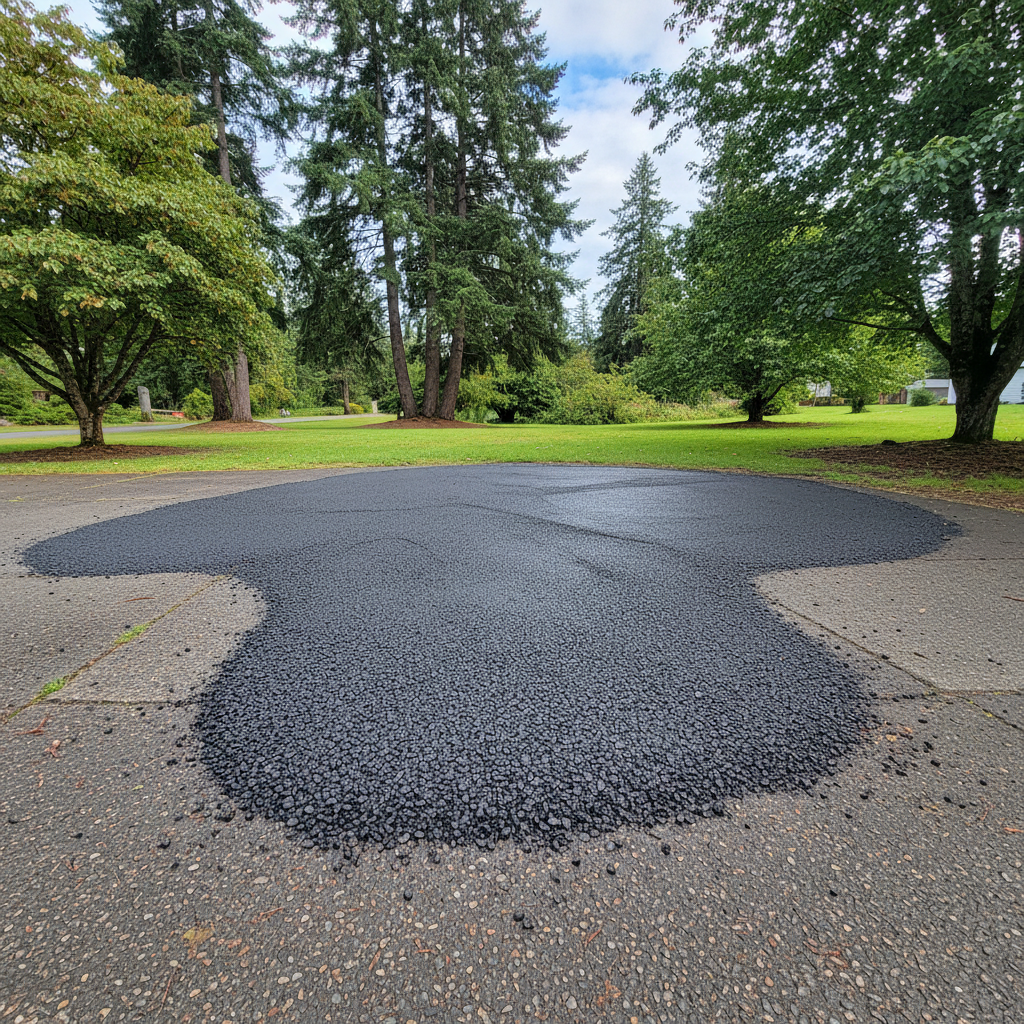
- Minor Potholes (less than 4-6 inches across and not super deep): For these, you'll need a cold patch asphalt product. Again, clean out the pothole thoroughly. And make sure there's no standing water in there. You'll pour the cold patch into the hole, maybe overfilling it a little, and then compact it down. You can use a hand tamper, a heavy piece of wood, or even just drive your car over it a few times. Good compaction is key.
Now, these DIY fixes are generally just temporary. They'll hold things together for a bit, stop water from getting in and making things worse, and definitely make it look better. But they aren't a permanent answer, especially if you don't address what caused the damage in the first place.
When It's Time to Call a Pro (Like Us at Quantum Asphalt Solutions)
Okay, this is where you need to be honest with yourself. There are plenty of times when trying to DIY will just waste your time and money, and you'll end up calling us anyway. So, here's when you should probably just pick up the phone:
- Big Potholes or Lots of Them: If you've got a crater that could hide a small animal, or your driveway looks like a minefield, cold patch isn't going to cut it. We've got the hot asphalt, the heavy equipment, and the know-how to properly cut out the damaged section, get the base ready, and lay down a durable patch that will actually last.
- Alligator Cracking: This is a major red flag. Alligator cracking usually means the base layer under your asphalt is failing. Patching the surface cracks won't fix the real problem. We'd need to check out the base, maybe remove and replace sections, and then lay new asphalt.
- Lots of Cracks or Just Falling Apart: If more than, say, 25-30% of your driveway is cracked or crumbling, you're looking at more than just a patch job. At that point, it might actually save you money in the long run to think about a bigger repair or even a complete resurface.
- Drainage Problems: Sometimes, asphalt damage happens because of poor drainage. Water pools, seeps into the base, and weakens everything. We can spot these issues and suggest fixes that go beyond just filling a hole, making sure your patch truly holds up.
- Safety Worries: If the damage is creating a tripping hazard or making it tough to drive safely, you really don't want to mess around. Get it fixed right.
What a Professional Patch Actually Involves
When we do a patch, we're not just tossing some material in a hole. We do what's called a 'cut and patch' or 'full-depth repair.' We'll square off the damaged area, cut out the old, failed asphalt and any compromised base material. Then, we prepare the sub-base, add new aggregate if needed, and compact it properly. Finally, we lay down hot asphalt, which binds way better and creates a much stronger, longer-lasting repair than any cold patch you can buy at the store. We make sure the edges are sealed and the patch is flush with the existing pavement, which keeps water from getting in later.
After We Patch It Up
Whether you DIY or hire a pro, give your patch some time to cure. For cold patch, just follow the manufacturer's instructions, but generally, try to avoid heavy traffic for a day or two. For a professional hot asphalt patch, we'll give you specific instructions, but usually, it's ready for light traffic pretty quickly, even though it keeps getting harder over time.
Keep an eye on your patched areas. If new cracks pop up around the patch, or if the patch starts to sink, that's a sign of deeper problems that need more attention. Cleaning and sealing your driveway every few years can also help extend the life of your asphalt, patches and all. It's a good habit.
So, take a good look at your driveway. If it's just a small nuisance, grab some cold patch. If it's a bigger headache, don't hesitate to give Quantum Asphalt Solutions a call. We're here to help Sutherlin homeowners keep their driveways in top shape.