Tackling any commercial asphalt project around Douglas County takes planning, patience, and a solid understanding of how our local weather treats pavement. Whether you manage a small retail strip off Interstate 5 or an industrial yard, you will save yourself many headaches if you know what to expect before the heavy machinery rolls in.
Before the Project Starts: Preparation and Planning
Property owners can handle the initial legwork themselves. Walk your property, take note of where water pools during our heavy winter rains, and map out high-traffic zones where delivery trucks or employee vehicles put the most stress on the surface. Getting your budget aligned and clearing out old storage or debris from the staging area are great ways to prep. What you should not do is try to calculate sub-base requirements or pull permits without professional guidance. Soil conditions around here can feature heavy clay content that shifts when wet, meaning a generic base depth will not cut it. Call in a crew like Quantum Asphalt Solutions to perform a core test and evaluate the sub-grade before signing any contracts.
During Construction: Managing the Chaos
Once the project kicks off, step back and let the pros do what they do best. Commercial Asphalt requires specialized paving machines, precise temperature control, and heavy steel-wheel rollers that achieve proper compaction. If you try to patch together a commercial lot with bagged cold-mix from the hardware store, it will break apart under the first delivery van that rolls across it. Your job during construction is communication. Make sure your tenants or customers know about alternate access routes and parking restrictions well in advance. Quantum Asphalt Solutions will work with you to stage the paving in phases so your business does not have to shut down completely.
After the Paving: Curing and Long-Term Care
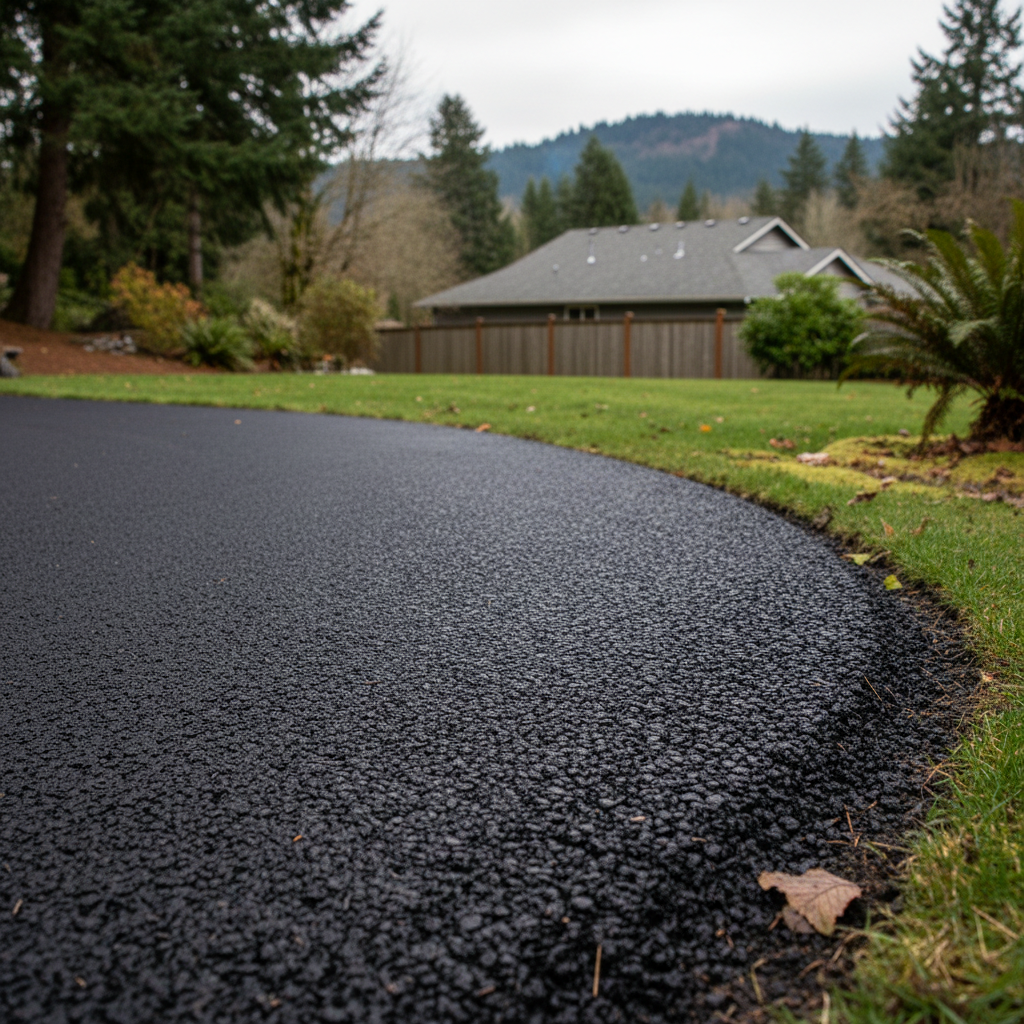
Do not let semi-trucks onto fresh asphalt the minute the crew packs up their gear. Hot-mix needs time to cure properly, and rushing it will leave permanent ruts and depressions in the surface. Keep all heavy traffic off the new lot for at least 3 to 5 days, depending on daytime temperatures. Once the Commercial Asphalt is fully cured, you can take over light routine maintenance like sweeping away debris and keeping drainage paths clear of leaves and dirt. For larger commercial lots, setting up a scheduled maintenance routine with Quantum Asphalt Solutions ensures minor surface oxidation does not turn into expensive structural failure down the road.