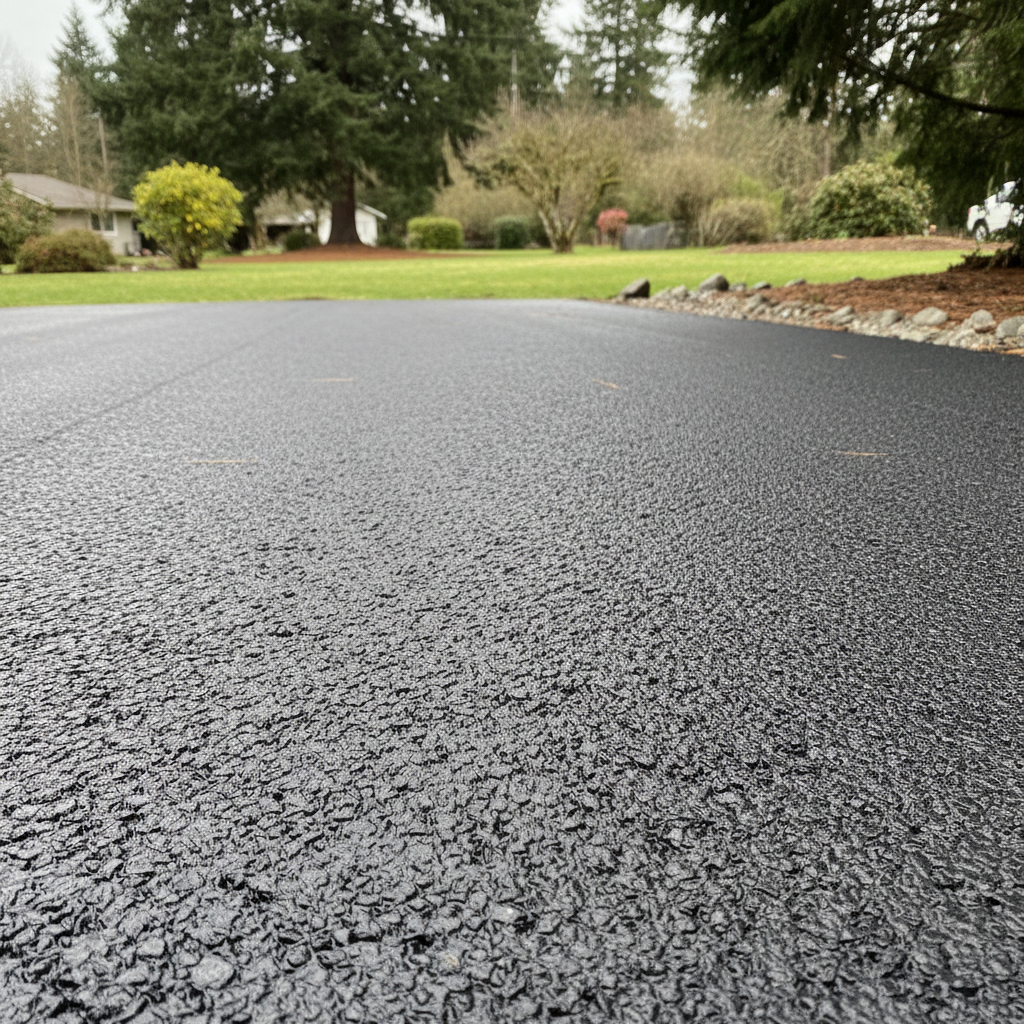
You might be thinking, "Commercial asphalt for my home? Isn't that overkill?" And for some folks, it probably is. But if you've got a long driveway, a heavy-duty RV pad, or even a small business operating from your property here in Sutherlin, that commercial-grade stuff might be exactly what you need. It's built to handle more traffic, heavier loads, and just generally take a beating better than standard residential paving. It's not just about the thickness; it's about the mix, the base, and the compaction.
Before the Shovel Hits the Dirt: Planning Your Project
Alright, so you're considering it. First things first, don't just jump in. This isn't a weekend DIY project like painting a fence. There's a lot to think about before you even get a quote.
- Understand Your Needs: Why do you want commercial asphalt? Is it for heavy vehicles, frequent deliveries, or just a super durable surface? Knowing this helps determine the right thickness and base material. A standard car driveway might be 2 inches of asphalt on 4-6 inches of gravel. A commercial pad could be 3-4 inches of asphalt on 8-12 inches of compacted aggregate. Big difference.
- Drainage is King: This is huge, especially with our Sutherlin winters and all that rain we get. Water is asphalt's worst enemy. You need proper grading to ensure water flows away from your home and doesn't pool on the surface. We're talking about a slight slope, usually 1-2% grade. If your property is flat, or worse, slopes towards your house, you might need French drains or catch basins. Don't skimp here; it'll save you headaches later.
- Check for Utilities: Before anyone starts digging, you absolutely have to call 811. It's free, and they'll mark underground utility lines. Hitting a gas line or a fiber optic cable isn't just expensive; it's dangerous.
- Budget Realistically: Commercial asphalt isn't cheap. It requires heavy equipment, specialized materials, and skilled labor. Get multiple quotes, but don't just go for the lowest price. Ask what's included: excavation, base material, asphalt thickness, compaction, drainage solutions, and warranty.
What can you do yourself at this stage? You can definitely figure out your needs, sketch out a rough plan, and even do some preliminary research on local zoning or HOA rules if you have them. But for the technical stuff like grading and material specs, you'll want a pro.
During the Work: What to Expect
Once you've picked a contractor (hopefully someone like Quantum Asphalt Solutions, if I do say so myself), the real work begins. It's a loud, dusty, and busy process.
- Excavation and Grading: The crew will remove existing material (grass, old concrete, etc.) and then grade the area. This is where that critical drainage plan gets put into action. They'll use heavy equipment to achieve the correct slopes.
- Base Layer Installation: Next comes the aggregate base. This is usually crushed rock or gravel, laid down in layers and compacted with a roller. This base is what provides the structural support for your asphalt. If the base isn't solid, your asphalt won't last.
- Asphalt Paving: The hot asphalt mix arrives in specialized trucks. It's then spread evenly by a paving machine and immediately compacted with heavy rollers. This has to be done quickly and efficiently while the asphalt is hot and workable. You'll see steam rising; that's normal.
- Compaction: This is crucial. Rollers will pass over the new asphalt multiple times to achieve the proper density. Good compaction prevents future cracking and rutting.
During this phase, your main job is to stay out of the way, ask questions if you have them, and make sure the work aligns with what was agreed upon. You're not going to be running a paver or a roller yourself, trust me.
After the Job is Done: Care and Maintenance
So, the crew packs up, and you've got this beautiful, black, smooth surface. Now what? You can't just forget about it. Proper care will extend its life significantly.
- Curing Time: Stay off it! Seriously. Asphalt needs time to cure and harden. Your contractor will tell you how long, but it's typically 2-3 days for light traffic and up to a week for heavy vehicles. Parking a big RV on it too soon is a recipe for ruts.
- Sealcoating: This is your asphalt's sunscreen and raincoat. About 6-12 months after installation, and then every 2-3 years, you should get it sealcoated. This protects the asphalt from UV rays, water penetration, and chemicals like oil and gas. It also gives it that fresh, black look.
- Crack Repair: Even with the best installation, cracks can appear over time due to ground movement, heavy loads, or our freeze-thaw cycles here in Douglas County. Don't ignore them! Small cracks can be filled with crack sealant to prevent water from getting underneath and causing bigger problems.
- Cleaning: Keep it clean. Sweep off debris, leaves, and dirt. If you spill oil or gas, clean it up quickly. These can soften and damage the asphalt.
What can you do yourself here? You can certainly keep it clean. You can also monitor for cracks and report them to your contractor. For sealcoating and significant crack repair, though, you'll want to call in a professional. It's a specialized job that requires specific materials and application techniques to do right. Getting a commercial-grade asphalt surface is a big investment, but with the right planning, installation, and maintenance, it'll serve your Sutherlin property well for decades.